Georgia Home Heating Guide: Choosing Between a Heat Pump and a Traditional Furnace
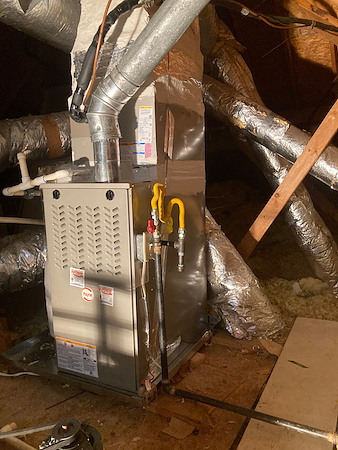
If you are comparing a heat pump vs furnace in Georgia, you are already on the right track. Our state sits in a mixed-humid climate with warm, damp summers and winters that swing from mild to surprisingly cold. That mix makes choosing the right system less about hype and more about matching equipment to your home, neighborhood, and daily routine. This guide breaks it down in plain language so you can make a confident choice.
Why Georgia’s Mixed-Humid Climate Shapes Your Heating Choice
Georgia’s weather changes a lot from the mountains to the coast. North Georgia cities like Blue Ridge, Gainesville, and the northern Atlanta suburbs see more frequent cold snaps and a few icy mornings each winter. Central areas such as Macon and Athens are milder, while coastal towns like Savannah and Brunswick often enjoy short winters with plenty of humidity.
That spread matters. Heat pumps thrive in long stretches of mild weather. Furnaces shine when temperatures plunge below freezing for days at a time. Many homeowners also blend the two with a hybrid system that uses the heat pump most of the season and a furnace only when it is truly cold.
How Heat Pumps Perform In Georgia’s Humidity
A heat pump moves heat rather than making it, which is why it can be very efficient in our state. In mild winter air, there is still useful heat outside. The system extracts it and brings it indoors. Because it is powered by electricity, there is no combustion in the living space. That can help indoor air quality when ducts and seals are in good shape.
Humidity is the twist. When outdoor coils frost in damp, chilly air, the unit runs defrost cycles. Those cycles briefly shift operation and can lower efficiency during the coldest, wettest hours. The good news is that newer inverter-driven and cold-climate models manage defrost more smartly and hold steady comfort better than older single-speed units.
- In typical Georgia winter afternoons, a modern heat pump often delivers more heat per unit of electricity than resistance heaters.
- During rare extended freezes, efficiency drops and electric backup may engage, which raises power use until temperatures rebound.
For many Georgia homes, this tradeoff still favors a heat pump across the whole season. The key is proper sizing, quality installation, and smart controls that limit unnecessary backup heat.
How Furnaces Stack Up For Georgia Homes
Furnaces use natural gas, propane, or electricity to create heat. Gas models are common where utility lines are available. They bring fast, strong heat and maintain supply even in long freezes. Electric furnaces, by contrast, are basically resistance heaters inside a blower cabinet. They are simple but can cost more to run if used heavily.
In North Georgia, a gas furnace can be reassuring when a cold front drops temperatures quickly. In coastal or southern counties, a furnace on its own may be more than you need for most days, though it can still make sense if gas is cheap and you prefer that warm blast from the registers.
A common pitfall is oversizing. A furnace that is too large will short-cycle, create temperature swings, and stress ductwork. Right-sized equipment paired with sealed, balanced ducts keeps rooms even and quiet.
North Georgia vs Coastal Georgia: Clear Zoning Logic
Use this simple local logic to narrow your pick:
- North Georgia and higher elevations: Consider a cold-climate heat pump or a hybrid dual-fuel system. A pure gas furnace can work well if you also cool with a separate AC, but many homes benefit from the hybrid’s flexibility.
- Metro Atlanta and central Georgia: A high-efficiency, variable-speed heat pump is often the sweet spot. Hybrid systems add a safety net for the handful of sharp cold snaps.
- Coastal and southern Georgia: Heat pumps usually win for efficiency and comfort. Backup heat is still important for the occasional chill, but it will run far less often.
Local tip: Cold mornings after a damp night can trigger frequent defrost cycles. If your heat pump seems to pause briefly and then resume, that may be normal defrost. If it happens nonstop or comfort suffers, schedule a checkup to review sensors, refrigerant charge, and controls.
Operating Costs And Efficiency In Georgia
Operating cost depends on three things: your utility rates, your home’s insulation and duct condition, and the system’s real-world efficiency. Heat pumps are rated by HSPF2 for heating and SEER2 for cooling, while furnaces use AFUE. Another helpful idea is the coefficient of performance, or COP, which is the ratio of heat delivered to electricity used. In mild weather, a modern heat pump’s COP can be several times higher than simple electric resistance heat. As temperatures dip, the COP falls and backup heat may step in.
Compare fuel costs carefully. Natural gas and propane prices move over time, and electricity rates can vary by provider and season. If your home already has gas service and you live in the mountains, a hybrid system can hedge your bets. If you are in Savannah or Valdosta where deep freezes are rare, a high-efficiency heat pump is usually the seasonal cost winner.
Do not forget your ductwork. Leaky, uninsulated ducts in an attic or crawlspace can wipe out the advantages of any high-efficiency unit. Sealing, insulating, and balancing ducts often deliver comfort gains you feel right away and lower utility bills in both heating and cooling seasons.
Incentives, Tax Credits, And Georgia Programs
Many homeowners can lower upfront costs with federal tax credits for qualifying high-efficiency heat pumps and related upgrades. Georgia utilities and statewide programs may also offer limited-time rebates for efficient equipment and weatherization. Requirements change, and benefits depend on the model you choose and your household eligibility. A licensed contractor should provide model numbers and documentation so you or your tax professional can confirm what applies this year.
The big takeaway is alignment. If you plan to install a variable-speed heat pump, pair it with smart controls and duct improvements that also meet program guidelines. That way your home gets the comfort you want, and you capture the incentives available at the time you purchase.
Hybrid Heating HVAC: The Best Of Both In One System
Hybrid heating, also called dual-fuel, combines a heat pump with a gas furnace under one thermostat. The heat pump runs during typical Georgia winter days. When the outdoor temperature drops to a set point you select with your installer, the furnace takes over. This setup reduces gas use most of the season while protecting comfort during cold snaps.
Benefits homeowners notice:
- Quieter, even heat on mild days thanks to variable-speed heat pump operation.
- Peace of mind when a front brings subfreezing nights, since the furnace is ready to step in.
- Potential to optimize utility spend by choosing smart balance points based on local rates.
Hybrid systems offer flexibility if you are unsure how cold your part of Georgia gets each year or you plan to live in the home long-term and want a hedge against fuel price swings.
Sizing, Ductwork, And Comfort Considerations
Correct sizing is the foundation. A proper load calculation looks at your home’s square footage, insulation levels, window quality, air leakage, and duct layout. Bigger is not better. Right-sized equipment runs longer, steadier cycles that improve comfort and humidity control.
Next is airflow. Ducts should be sealed at seams, sized for the blower, and insulated in unconditioned spaces. Poor airflow makes any system loud and inefficient. If some rooms run hot in summer and cold in winter, ask for static pressure testing and a duct balance. Small changes to registers, returns, or trunk lines can smooth out room-by-room differences.
Controls matter too. Smart thermostats with outdoor temperature sensors can manage hybrid changeover points. For heat pumps, thermostat settings that limit unnecessary auxiliary heat can protect efficiency on brisk mornings without sacrificing comfort.
Real-World Scenarios Across Georgia
North Hall County, older ranch: You rely on a chimneyed gas furnace today. A hybrid system lets you keep fast heat for icy weeks while a variable-speed heat pump cuts energy use most of the winter.
In-town Atlanta townhome: You want quiet operation and even temperatures. A high-efficiency heat pump with sealed ducts and a smart thermostat gives stable comfort without the roar of a big furnace cycle.
Coastal bungalow near Savannah: Winters are brief but damp. A modern heat pump paired with a whole-home dehumidification strategy keeps rooms warm without the dryness you might feel from constant furnace blasts.
Maintenance And Lifespan Basics
Any system will last longer with seasonal maintenance. Heat pumps typically need a fall and spring visit because they both heat and cool. Furnaces usually get a fall service for burners, heat exchangers, and safety checks. Keep outdoor heat pump units clear of leaves and mulch so they can breathe, and make sure condensate drains are open.
Change filters on schedule to protect indoor air quality and airflow. Dirty filters strain motors and coils. Your technician can set reminders based on your filter type, pets, and how often you run the system.
Environmental Considerations
Heat pumps shift more of your energy use to electricity, which can help reduce on-site emissions. If your utility grid adds more renewable power over time, your home’s carbon footprint may improve without changing equipment again. Gas furnaces keep combustion on site and may be simpler to service in areas with strong gas infrastructure. The right answer depends on your goals for comfort, budget, and sustainability.
Which System Is Right For Your Georgia Home?
Here is a simple way to decide:
- Mostly mild winters, humidity is a concern, and you want lower year-round energy use: choose a high-efficiency, variable-speed heat pump.
- Frequent hard freezes or you value very warm supply air in cold weather: choose a gas furnace or a hybrid dual-fuel system.
- You want a hedge against fuel price swings and the best of both worlds: choose hybrid and set a smart balance point.
Ready to compare a heat pump vs furnace for your Georgia home? Talk with a licensed pro who will run a load calculation, inspect your ducts, and show you options that fit your neighborhood, comfort goals, and utility rates.
As you narrow choices, remember that installation quality drives comfort as much as the brand name on the box. Ask about warranties, maintenance plans, and how your system will handle defrost or changeover on those damp, chilly mornings. A clear, written scope protects your investment and helps your home feel great in every season.
For friendly expert guidance from Southern Home Performance Inc, call us at 770-335-6871. Our team helps Georgia homeowners choose between modern heat pumps, traditional furnaces, and flexible hybrid systems, then installs and maintains the equipment so it performs the way it should.
One last caution: undersized or poorly installed equipment can struggle in North Georgia cold snaps or short-cycle in coastal humidity. The right design and setup keep rooms even, bills predictable, and winter nights comfortable.
Whether you live near the mountains, in Metro Atlanta, or by the coast, there is a tailored path to reliable, efficient heat. With a smart plan and a trusted partner, your next heating system will feel like it was built just for your home.